Physical AI Governance Questions
Explore how Physical AI raises governance questions for autonomous systems and the challenges in ensuring safety and control.

Malik Farooq
May 6, 2026
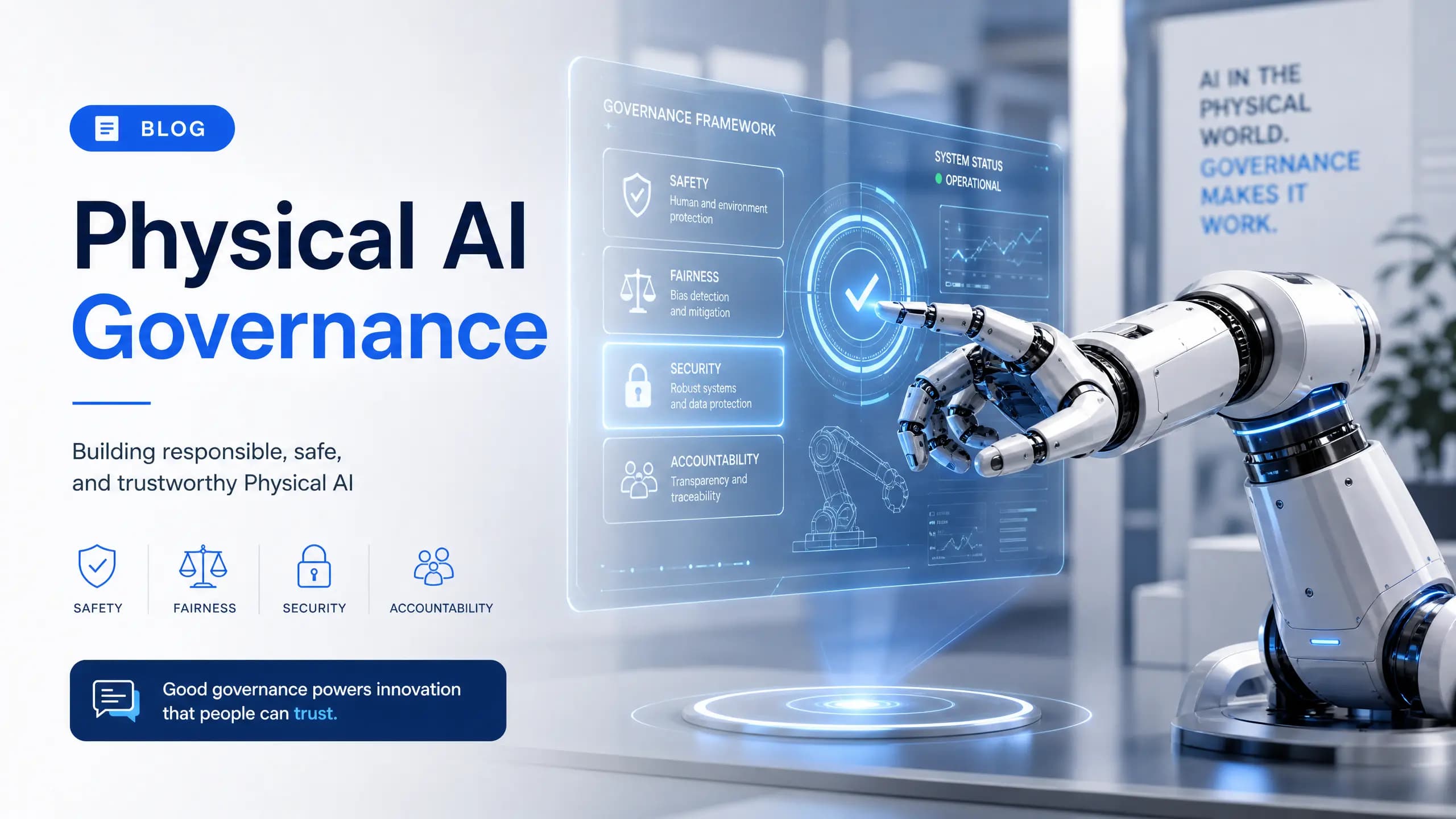
Deep Dive
Physical AI Governance Questions
Introduction
The Emergence of Physical AI and its Governance Complexities
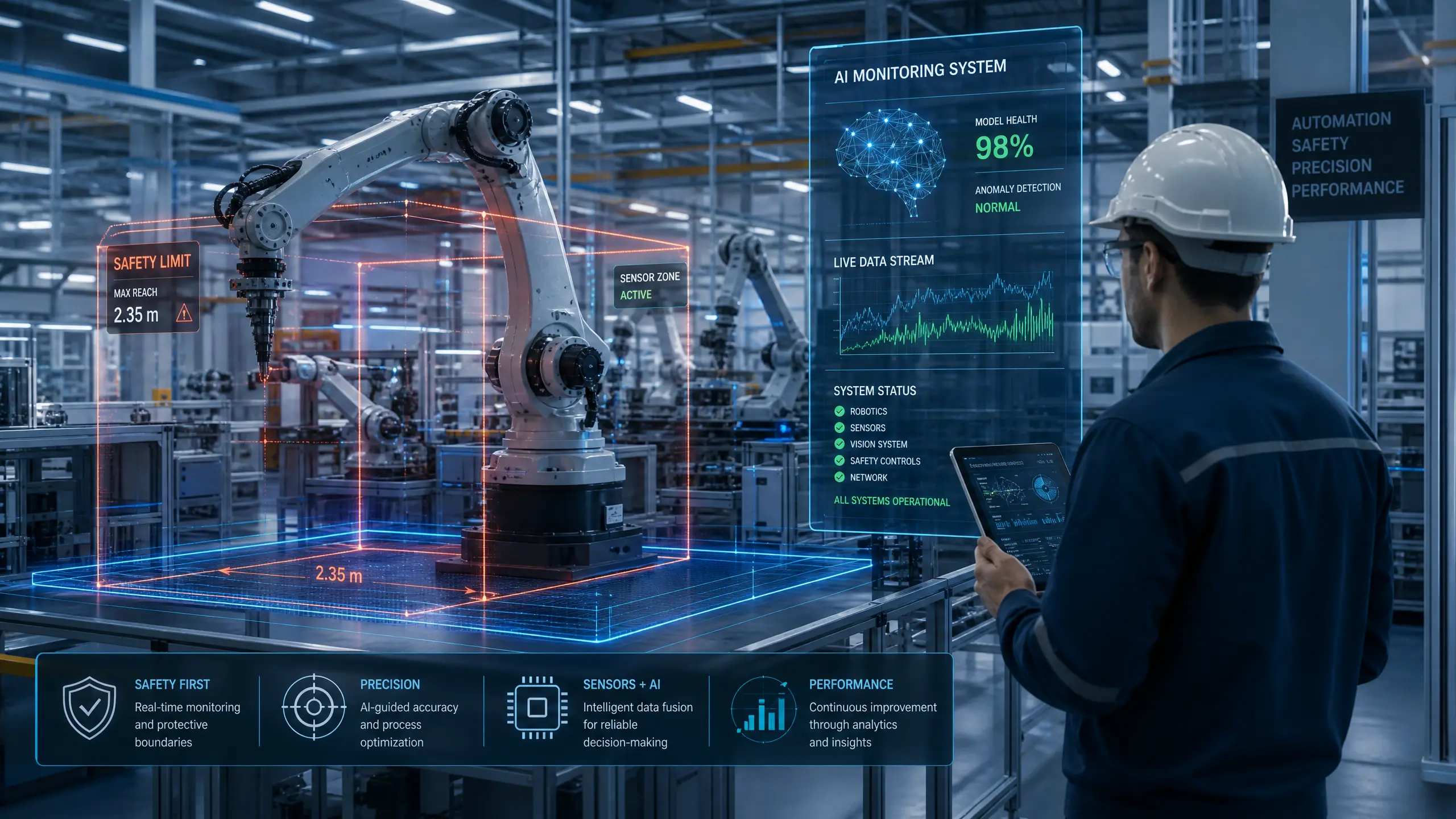
The Scale of Industrial Robotics
Google DeepMind's Contributions to Embodied AI
Real-World Implications and Industry Insights
Statistics and Data Points
- Market Growth: Grand View Research estimates the global Physical AI market to reach nearly a trillion dollars by 2033, indicating massive growth and increased deployment of these systems.
- AI Trust Research: McKinsey's 2026 AI trust research highlights that only about one-third of organizations have mature governance strategies for AI, underscoring a significant gap in preparedness for autonomous functions.
- Robot Installations: The International Federation of Robotics projects industrial robot installations to exceed 700,000 units by 2028, demonstrating the rapid adoption of physical AI in industrial settings.
Practical Explanations: Crafting Governance for Physical AI
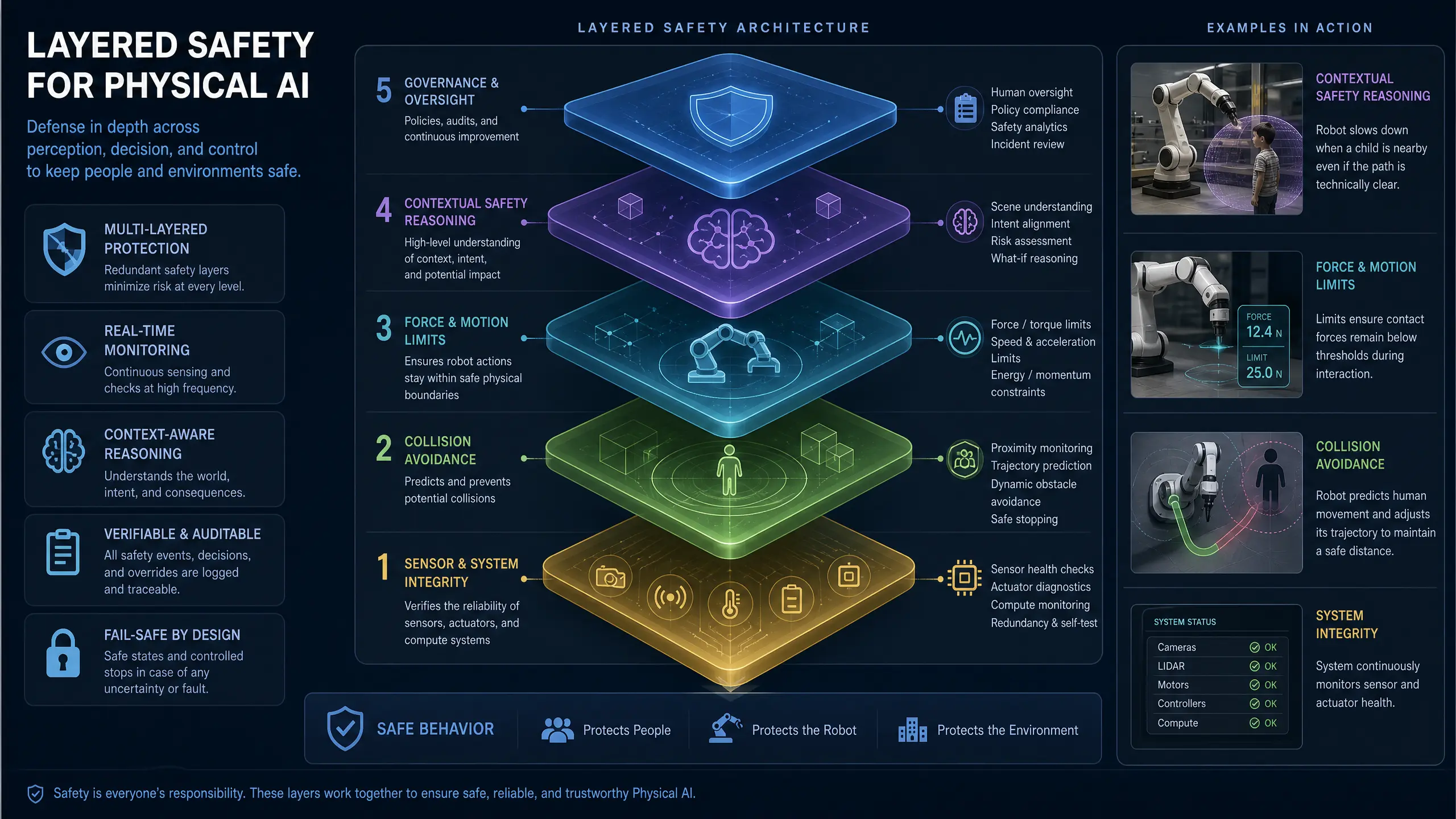
- Layered Safety Protocols: Implementing multi-layered safety measures, from collision avoidance to contextual safety reasoning, to ensure the secure operation of physical AI systems.
- Audit Trails for Physical Actions: Establishing comprehensive logging and audit trails for every physical action taken by an AI agent, enabling thorough post-incident analysis and accountability.
- Bounded Autonomy in Physical Space: Defining precise operational boundaries and decision-making parameters for physical AI to prevent unintended actions or movements.
- Human-in-the-Loop Mechanisms: Integrating clear escalation paths and human oversight for situations where physical AI systems encounter novel or high-risk scenarios.
Conclusion
Ready to master AI?
Join 1,000+ professionals getting the edge in AI marketing. 3 minutes a day to 10x your growth.
Join Free NowKeep reading

AI Distorting Everything Economy
Artificial intelligence is reshaping the U.S. economy, creating distortions in GDP, stock markets, and the job landscape. Explore the profound impact of AI on economic indicators.
IMF Warns Evolving AI Threat
The International Monetary Fund warns that advanced AI models could trigger macro-financial shocks by exploiting vulnerabilities in global financial systems.

Writers Go Extremes Prove AI
As AI-generated content floods the internet, writers are adopting unusual tactics—from intentional typos to casual language—to prove their human authorship and avoid AI detection.