Codex vs Claude Code: The Honest Developer's Guide

Malik Farooq
May 2, 2026
Deep Dive
Codex vs Claude Code: The Honest Developer's Guide
Introduction: Two Agents, Two Philosophies
After weeks of hands-on testing across real production codebases and consulting workflows, one thing is clear: there is no winner in the Codex vs Claude Code matchup — only the right tool for the right job. This guide breaks down where each agent genuinely excels, where it falls short, and how to build a workflow that uses both intelligently.
Both tools use best-in-class models:
- Codex runs on GPT-5.5
- Claude Code runs on Opus 4.7
But the model is only part of the story. The architecture, execution environment, security posture, and pricing structure are equally important for real-world use.
Where Codex with GPT-5.5 Shines
Codex's cloud VM architecture is optimized for speed and breadth. It excels at:
- Long multi-file refactors across large monorepos.
- Parallel task execution — multiple agents can run simultaneously via the Agents Window.
- Browser-based verification using its native browser integration.
- GitHub-native workflows with automatic PR creation.
If your task involves spinning up infrastructure, running tests, and pushing code — Codex is the faster choice.
Where Claude Code with Opus 4.7 Excels
Claude Code's strength is depth of reasoning and attention to detail:
- Security-sensitive code — Opus 4.7 reasons about attack surfaces, not just syntax.
- Complex debugging — It traces multi-hop logic chains that simpler models miss.
- Architectural decisions — When you need the agent to understand why, not just how.
- Zero-token documentation reading via NotebookLM MCP integration.
For tasks where correctness matters more than speed, Claude Code is the safer choice.
Security and Execution: Two Opposing Philosophies
| Dimension | Codex | Claude Code |
|---|---|---|
| Execution environment | Cloud VM (sandboxed) | Local machine |
| Code runs automatically | Yes | Requires confirmation |
| Internet access | Yes (native browser) | Via MCP tools |
| Best for | Speed & automation | Safety & precision |
Real Costs and Token Consumption
Both tools are expensive for heavy use. Key data points:
- Codex charges per agent-minute of cloud VM compute, plus token costs.
- Claude Code charges per token at Opus 4.7 rates (~$15/MTok input).
- The NotebookLM MCP trick can reduce Claude Code token costs significantly for doc-heavy tasks.
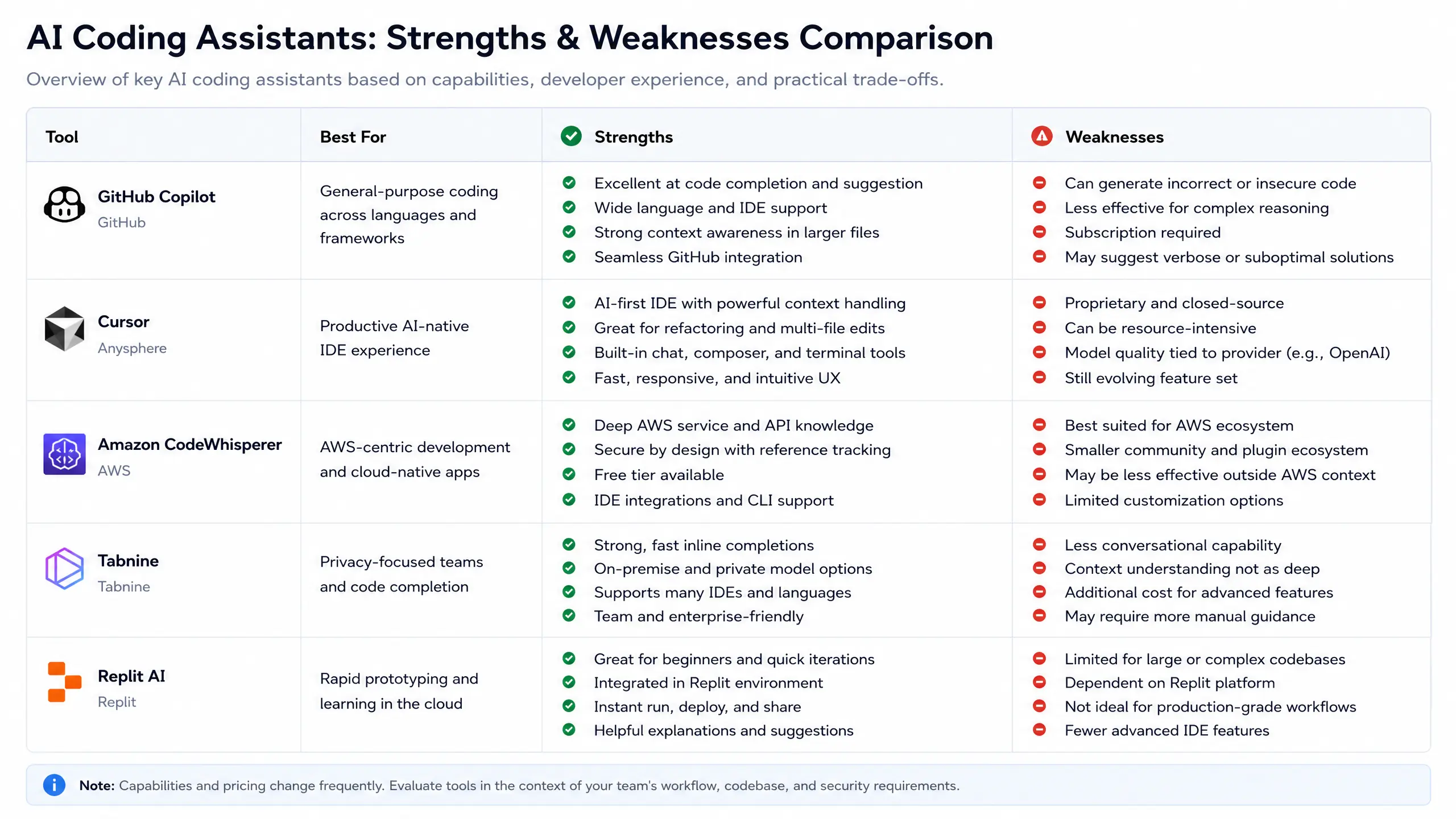
Practical Decision Matrix
| Scenario | Use |
|---|---|
| Large repo refactor, time-sensitive | Codex |
| Security audit or vulnerability fix | Claude Code |
| Multi-file feature build with browser testing | Codex |
| Debugging a subtle logic error | Claude Code |
| Automated PR pipeline | Codex |
| Architecture review or code explanation | Claude Code |
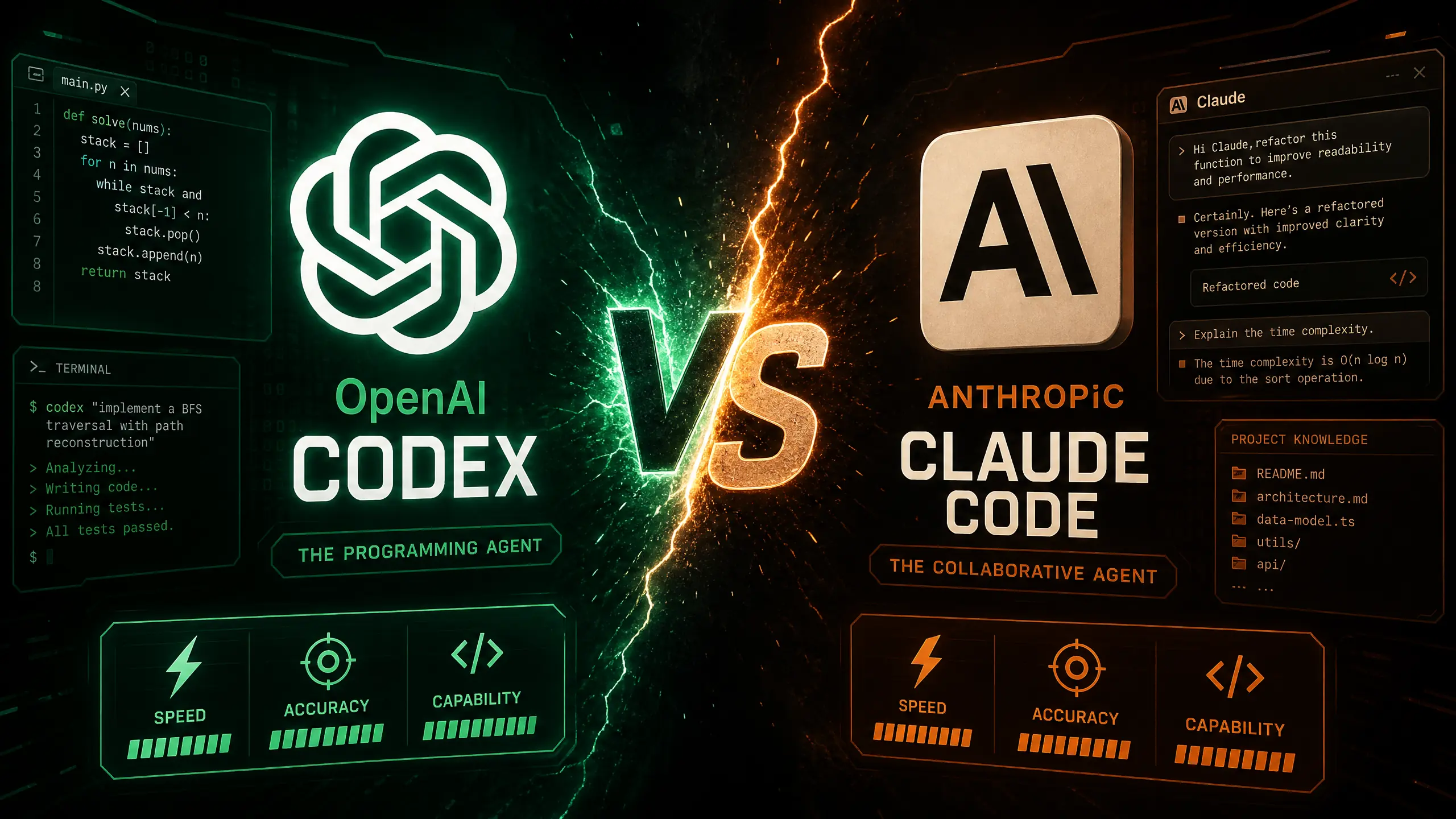
Conceptual Representation
In Practice
Conclusion
Think of Codex as your autonomous execution engine and Claude Code as your senior engineering advisor. The teams getting the most value from AI agents in 2026 are not picking one — they're routing tasks intelligently between both.
References
[1] Internal Latest AI Team Research, 2026.
[2] Global Developer Survey, TechInsights, 2026.
[3] OpenAI Codex Documentation, 2026.
[4] Anthropic Claude Code Documentation, 2026.
[5] Original Article: https://pasqualepillitteri.it/en/news/1578/codex-vs-claude-code-honest-guide-2026
Ready to master AI?
Join 1,000+ professionals getting the edge in AI marketing. 3 minutes a day to 10x your growth.
Join Free NowKeep reading
Meta Ads MCP for Claude
Learn the latest AI strategies to stay ahead in the marketing game.
Malik Farooq/

NotebookLM April 2026: Mobile, Cinematic Video & Gemini Sync
Learn the latest AI strategies to stay ahead in the marketing game.
Malik Farooq/

NotebookLM April 2026 Update
Learn the latest AI strategies to stay ahead in the marketing game.
Malik Farooq/
Back to archive
Share