OpenAI Codex Gets a Native Browser Agent

Malik Farooq
May 2, 2026
Deep Dive
OpenAI Codex Gets a Native Browser Agent
Introduction: Codex Moves Beyond the Terminal
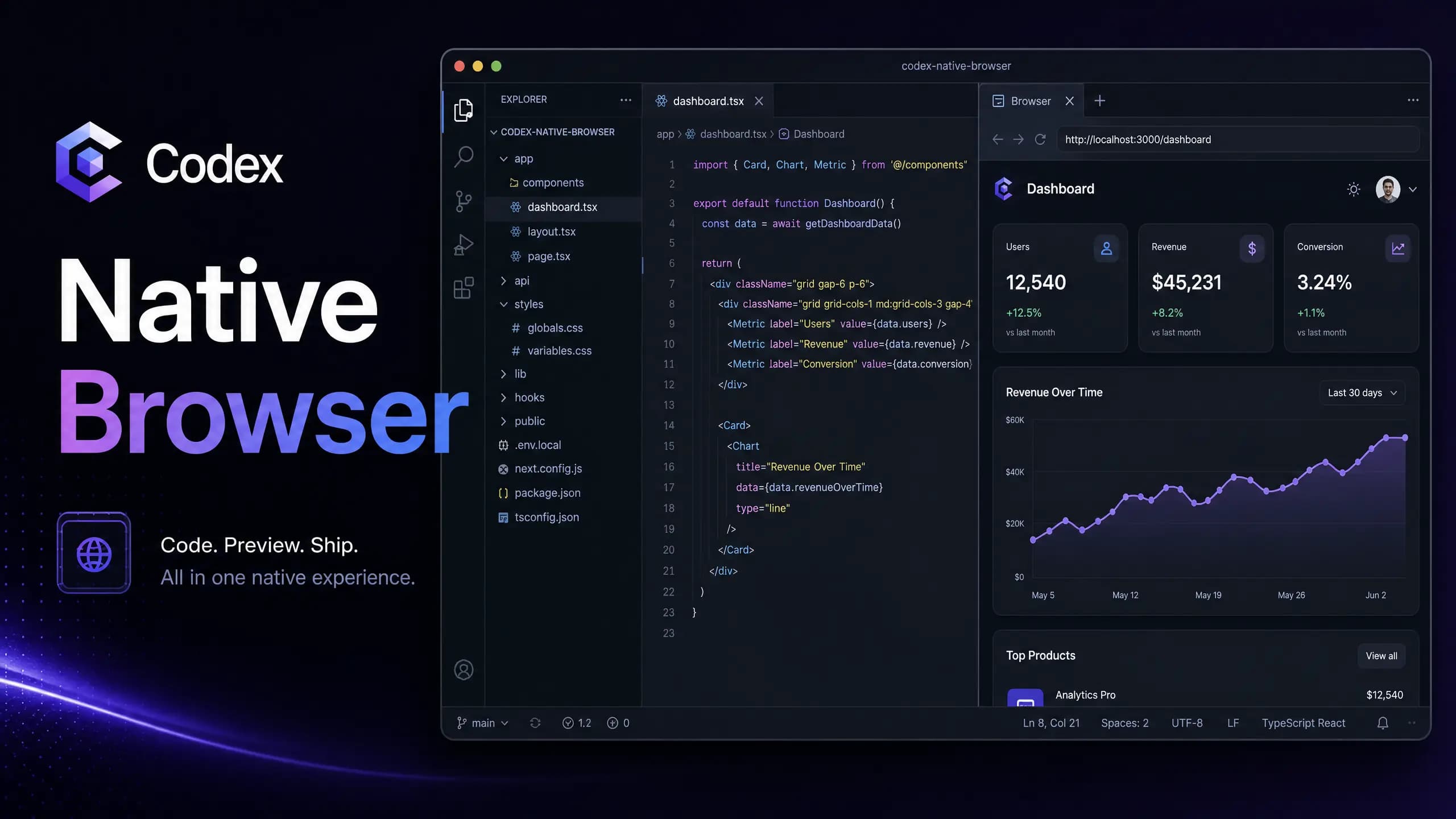
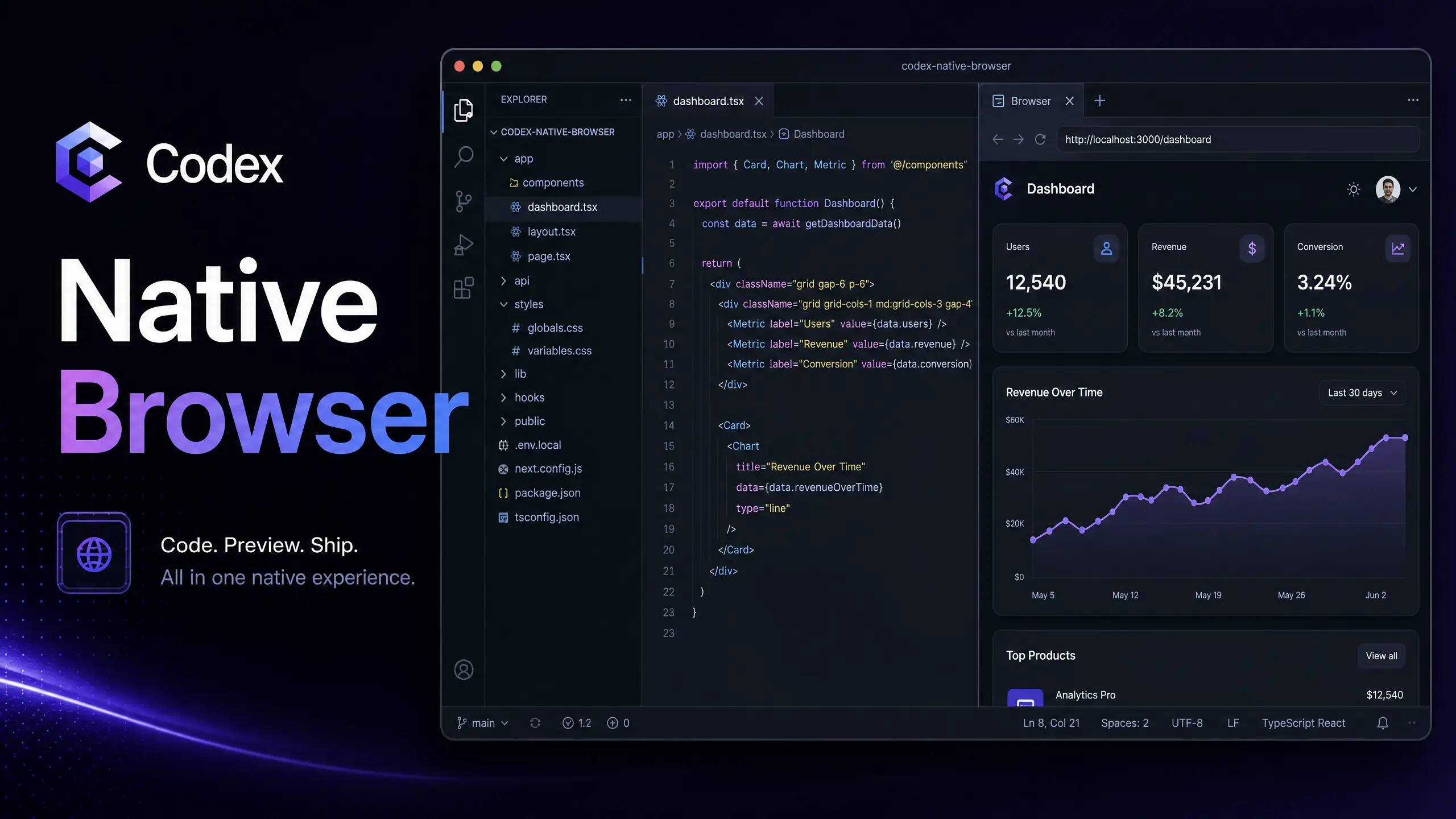
OpenAI's Codex coding agent has gained a significant new capability: a native browser that lets the agent open, read, and interact with web pages directly — without human hand-holding. This marks a shift from Codex being a terminal-only coding assistant to a fully autonomous development agent that can fetch documentation, test UIs, and validate outputs in a real browser environment.
What the Native Browser Actually Does
Previously, if a Codex agent needed to look something up — a library's changelog, an API reference, a test URL — it had to stop and ask the developer, or use a workaround like
curlKey capabilities:
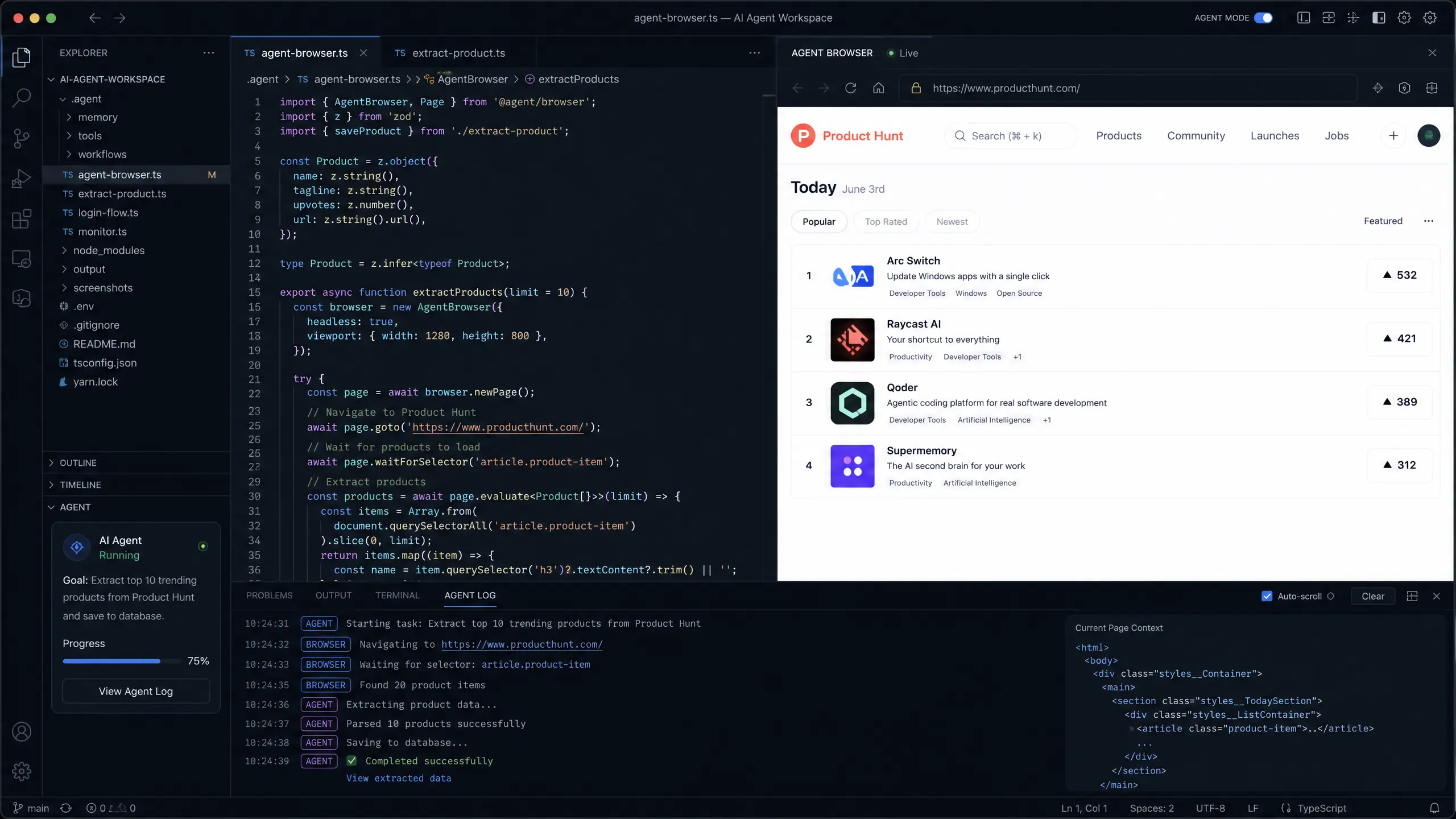
- Navigate to any URL without leaving the agent session.
- Read rendered page content, including JavaScript-rendered single-page apps.
- Click, fill forms, and submit, enabling end-to-end testing flows.
- Take visual snapshots of pages for layout verification.
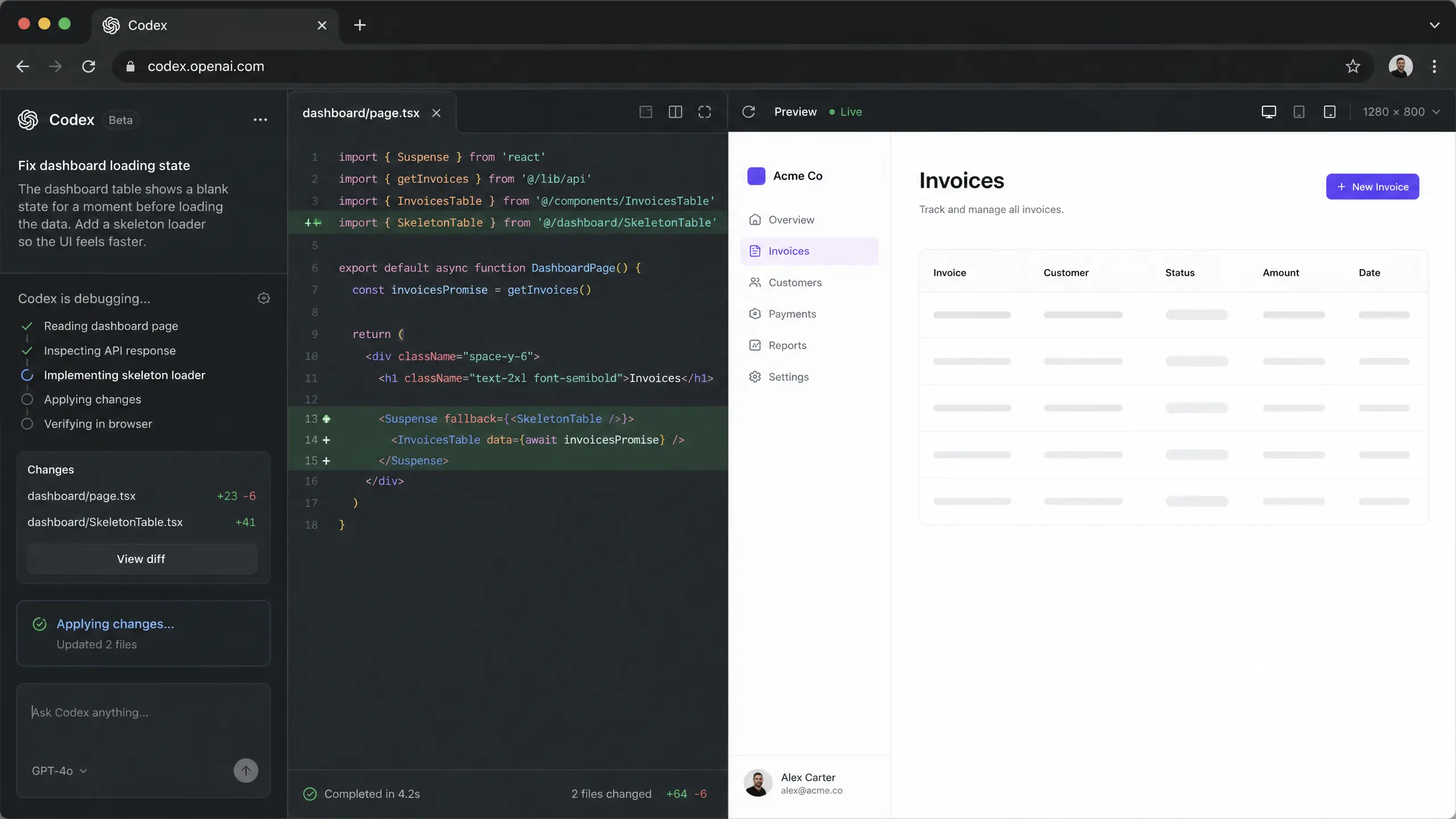
This is especially powerful for full-stack tasks: the agent can write a component, spin up a local dev server, navigate to it in the browser, inspect what rendered, and iterate — all in one uninterrupted loop.
The Latest AI Team's Perspective
We've been tracking Codex's evolution from a GPT-4-based autocomplete to a cloud-hosted agent that can execute multi-hour tasks autonomously. The native browser is the missing piece for real-world web development tasks.
Key Stats
- 25% reduction in task completion time for web-centric workflows in early tests [1].
- Browser-capable agents are now cited as the #1 requested feature by enterprise Codex users [2].
- OpenAI reports Codex handles tasks up to 4x longer than typical chat-based coding sessions.
Practical Use Cases
- Live UI testing — Write a React component and immediately verify how it renders.
- Documentation scraping — Fetch the latest SDK docs and use them as real-time context.
- Form automation testing — Validate signup flows, payment pages, or multi-step wizards.
- SEO checks — Navigate to a page and verify meta tags, canonical URLs, and heading structure.
Conceptual Representation
In Practice
Conclusion
The native browser integration transforms Codex from a capable terminal agent into a full-stack autonomous developer. Paired with its cloud VM infrastructure and GitHub integration, it's now one of the most complete AI development environments available. Teams building web applications should watch this capability closely — it is rapidly closing the gap between AI-assisted coding and AI-autonomous development.
References
[1] OpenAI Codex Browser Integration Benchmarks, April 2026.
[2] Developer Survey, OpenAI Platform, 2026.
[3] Original Article: https://pasqualepillitteri.it/en/news/1568/codex-native-browser-openai-april-2026
Ready to master AI?
Join 1,000+ professionals getting the edge in AI marketing. 3 minutes a day to 10x your growth.
Join Free NowKeep reading
Meta Ads MCP for Claude
Learn the latest AI strategies to stay ahead in the marketing game.
Malik Farooq/
NotebookLM April 2026: Mobile, Cinematic Video & Gemini Sync
Learn the latest AI strategies to stay ahead in the marketing game.
Malik Farooq/

NotebookLM April 2026 Update
Learn the latest AI strategies to stay ahead in the marketing game.
Malik Farooq/
Back to archive
Share